False Ceiling Price in Nepal 2026: Gypsum, POP, PVC & Wooden Ceiling Cost
False Ceiling Price in Nepal 2026: Gypsum, POP, PVC & Wooden Ceiling Cost
False ceilings have become very common in modern Nepali homes because they improve the look of a room, hide electrical wiring, support decorative lighting and make the interior feel more finished. In Nepal, the cost of a false ceiling usually depends on the material, design, room size, labour charge, lighting requirement and finishing quality.
In this guide, we will explain the common types of false ceilings used in Nepal and their estimated price per square feet in 2026.
False Ceiling Price in Nepal 2026
False Ceiling Type Estimated Price in Nepal
| False Ceiling Type | Rate |
|---|---|
| Gypsum False Ceiling | NPR 120 – 250 per sq. ft. |
| POP False Ceiling | NPR 70 – 300 per sq. ft. |
| PVC False Ceiling | NPR 70 – 150 per sq. ft. |
| Wooden False Ceiling | NPR 250 – 700 per sq. ft. |
| Metal/Grid Ceiling | NPR 200 – 600 per sq. ft. |
1. Gypsum False Ceiling
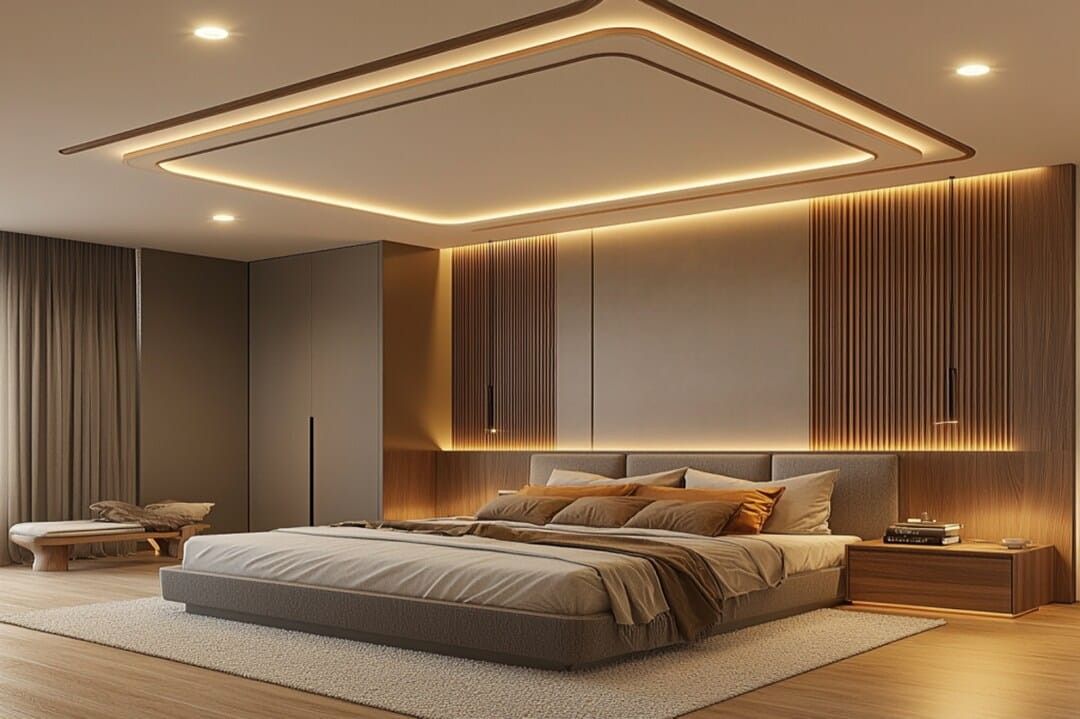
Gypsum false ceiling is one of the most popular choices for modern homes in Nepal. It gives a smooth and clean finish and works very well with LED lights, cove lighting and modern interior design.
Gypsum ceilings are suitable for:
- Living rooms
- Bedrooms
- Dining areas
- Hallways
- Offices
Gypsum is a good option if you want a clean, modern and premium-looking ceiling without making the room look too heavy. For most residential homes, gypsum is usually the safest and most balanced option.
2. POP False Ceiling
POP stands for Plaster of Paris. It is commonly used for decorative ceiling designs, curves and traditional patterns. POP is flexible for design work, but it requires skilled labour to get a proper finish.
POP ceilings are suitable for:
- Living rooms
- Pooja rooms
- Decorative areas
- Traditional-style interiors
- Hotels and halls
POP can be cheaper in simple work, but complex designs can increase the total cost.
3. PVC False Ceiling
PVC false ceiling is lightweight, moisture-resistant and easy to maintain. It is commonly used in areas where there may be humidity or water exposure.
PVC ceilings are suitable for:
- Kitchens
- Bathrooms
- Balconies
- Shops
- Utility areas
For Nepali homes, PVC is a practical option for wet areas because it is easier to clean and does not get damaged as quickly by moisture compared to some other materials.
4. Wooden False Ceiling
Wooden false ceiling gives a warm and premium look. It is mostly used in luxury interiors, hotels, restaurants and high-end residential rooms. It can make the room feel natural, rich and elegant.
Wooden ceilings are suitable for:
- Premium bedrooms
- Living rooms
- Restaurants
- Lounges
- Luxury homes
The cost of wooden false ceiling is usually higher because material, polish, finishing and installation require more care.
5. Grid or Metal False Ceiling
Grid ceiling is commonly used in commercial spaces. It is easy to maintain because individual ceiling panels can be removed when electrical, AC or networking maintenance is needed.
Grid ceilings are suitable for:
- Offices
- Clinics
- Schools
- Commercial buildings
- Workspaces
For homes, grid ceiling is not usually the first choice unless the area is more functional than decorative.
Which False Ceiling Is Best for Nepali Homes?
For most homes in Nepal, gypsum false ceiling is the best overall option for living rooms and bedrooms. PVC is better for kitchens, bathrooms and balconies. POP is good for decorative work, while wooden ceiling is better for premium interiors.
Room/AreaBest False Ceiling OptionLiving RoomGypsum or POPBedroomGypsumKitchenPVCBathroomPVCBalconyPVCOffice RoomGypsum or Grid CeilingPremium InteriorWooden Ceiling
What Affects False Ceiling Cost in Nepal?
The final cost of false ceiling work depends on many factors, not only the material. Before comparing rates, always check what is included in the quotation.
Main cost factors include:
- Type of ceiling material
- Total ceiling area
- Design complexity
- Ceiling height
- Framing material quality
- Board thickness and brand
- Cove light or LED profile work
- Putty and paint finish
- Labour charge
- Transportation cost
- Location inside or outside Kathmandu Valley
A low rate may not always include finishing, lighting, paint or proper framing. So, it is better to compare full work details instead of only checking the per sq. ft. rate.
Sample False Ceiling Cost Calculation
Let’s say your room size is:
12 ft × 14 ft = 168 sq. ft.
If you choose gypsum false ceiling at NPR 180 per sq. ft., then:
168 × 180 = NPR 30,240
So, the estimated basic gypsum false ceiling cost for this room would be around NPR 30,240.
However, this cost can increase if you add:
- Cove lighting
- LED profile lights
- Designer borders
- Premium paint
- Complex patterns
- Waterproof board
- Extra electrical work
Common Mistakes to Avoid
Before installing a false ceiling, avoid these common mistakes:
- Choosing material only because it is cheap
- Not checking water leakage before ceiling work
- Not planning light points properly
- Making the ceiling too low
- Using poor quality framing material
- Not keeping access for electrical maintenance
- Comparing prices without checking what is included
A good false ceiling should look beautiful, but it should also be practical and durable.
Final Thoughts
False ceiling is a great way to improve the interior of a home in Nepal. If you want a modern and clean look, gypsum ceiling is a good choice. For kitchens and bathrooms, PVC is more practical. For premium interiors, wooden false ceiling can give a rich and warm appearance.
Before starting the work, always measure the area properly, decide the lighting layout and ask for a clear quotation with material, labour, finishing and electrical details included.
Need Help With False Ceiling Design?
Satwa Homes Design & Construction Pvt. Ltd. helps homeowners with house construction, interior planning and finishing works in Nepal. If you are planning a new home or renovation, you can contact us for practical design and construction guidance.
Note: Prices mentioned above are estimated market ranges and may change depending on material quality, design, labour and project location.
More from SatwaHomes
Brick Price in Nepal 2026: Machine-Made & Traditional Rates
Steel Rod Price in Nepal 2026: Brand & Diameter Comparison

Best Construction Company in Nepal: How to Select the Right Builder