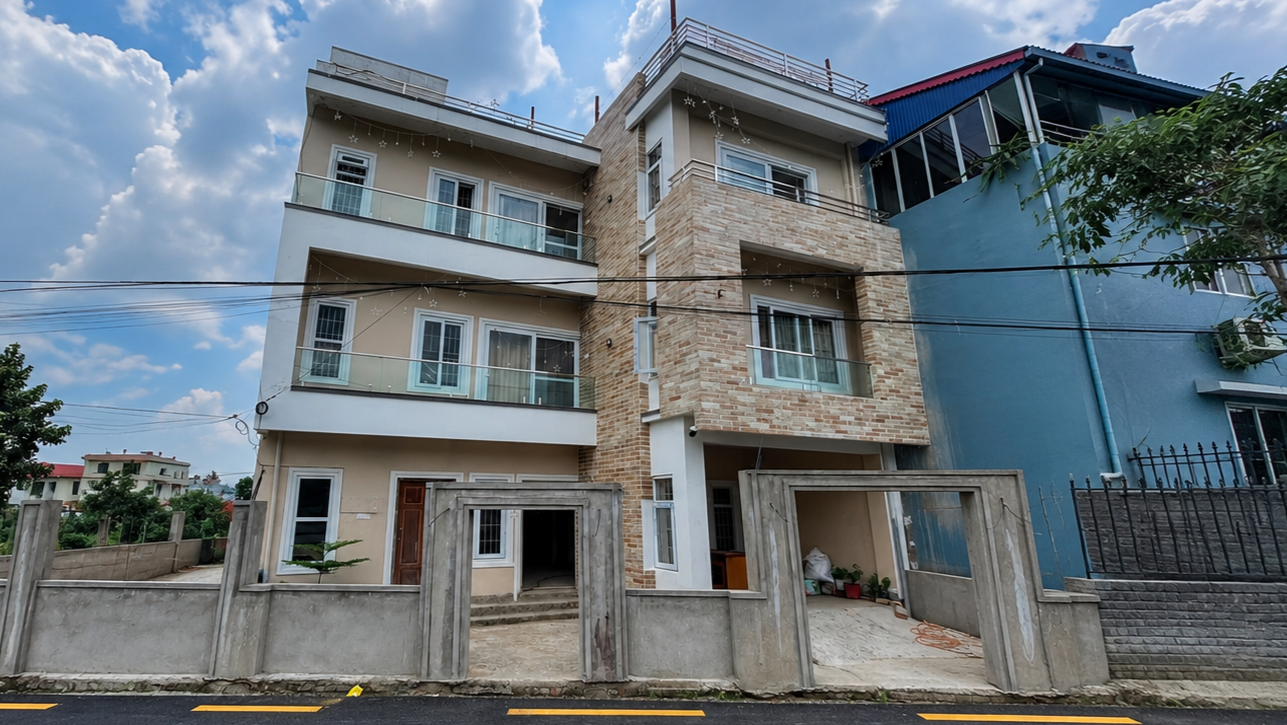
Steel Rod Price in Nepal 2026: Brand & Diameter Comparison
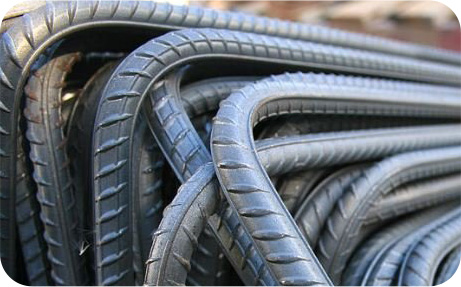
Steel Rod Price in Nepal 2026: Brand and Diameter Comparison
Steel reinforcement bars, commonly called steel rods, TMT bars, rebars or sariya, are among the most important materials used in RCC house construction. The steel rod price in Nepal in 2026 varies according to the manufacturer, TMT bar diameter, steel grade, purchase quantity, delivery location, transportation cost and current market conditions. Steel reinforcement bars are commonly used in foundations, columns, beams, slabs, staircases and other RCC structural components.
The steel rod price in Nepal depends on the manufacturer, bar diameter, purchase quantity, delivery location, transportation cost, dealer margin and prevailing market conditions.
As a verified pricing benchmark, Hama Steel’s publicly displayed rate for Kathmandu, Bhaktapur and Lalitpur is NPR 107 per kg for 10mm–16mm TMT bars, before applicable government taxes. Its listed rate is NPR 111 per kg for 8mm bars, NPR 109 per kg for 20mm and 25mm bars, and NPR 111 per kg for 28mm and 32mm bars. The company states that these rates are effective from Chaitra 1, 2082.
Important: Steel prices can change frequently. Always obtain a written quotation from an authorised supplier before finalising a construction budget.
Steel Rod Price in Nepal: Quick Overview
The following table presents the latest publicly listed Hama Steel benchmark for Kathmandu Valley.
| Steel rod diameter | Published rate per kg | Common residential use |
|---|---|---|
| 8mm | NPR 111/kg | Stirrups, distribution bars and secondary reinforcement |
| 10mm | NPR 107/kg | Slab reinforcement and selected secondary members |
| 12mm | NPR 107/kg | Slabs, beams, columns and general reinforcement |
| 16mm | NPR 107/kg | Columns, beams and foundations |
| 20mm | NPR 109/kg | Heavier columns, beams and foundation members |
| 25mm | NPR 109/kg | Heavy structural reinforcement |
| 28mm | NPR 111/kg | Large structural members |
| 32mm | NPR 111/kg | Heavy-duty structural construction |
These rates are listed before applicable government taxes and may not include unloading, site delivery, cutting, bending or other handling charges.
Steel Rod Price by Diameter and 12-Metre Bar
Steel rods are normally sold by weight, but homeowners often want to know the approximate price of one full-length bar.
Theoretical steel weight can be estimated using:
Weight per metre = Diameter² ÷ 162
Assuming a standard bar length of 12 metres, the approximate weight and cost are:
| Diameter | Approx. weight per metre | Approx. weight of 12m bar | Rate per kg | Approx. price per 12m bar |
|---|---|---|---|---|
| 8mm | 0.395 kg | 4.74 kg | NPR 111 | NPR 526 |
| 10mm | 0.617 kg | 7.41 kg | NPR 107 | NPR 793 |
| 12mm | 0.889 kg | 10.67 kg | NPR 107 | NPR 1,141 |
| 16mm | 1.580 kg | 18.96 kg | NPR 107 | NPR 2,029 |
| 20mm | 2.469 kg | 29.63 kg | NPR 109 | NPR 3,230 |
| 25mm | 3.858 kg | 46.30 kg | NPR 109 | NPR 5,046 |
| 28mm | 4.840 kg | 58.07 kg | NPR 111 | NPR 6,446 |
| 32mm | 6.321 kg | 75.85 kg | NPR 111 | NPR 8,420 |
The prices above are calculated from the publicly displayed Kathmandu Valley rate and are approximate prices before tax and delivery charges.
The actual weight of supplied bars should be checked during procurement because permitted manufacturing tolerances, bar length and weighing practices can affect the final quantity.
Popular Steel Rod Brands in Nepal
Several steel manufacturers and distributors supply TMT reinforcement bars in Nepal. Commonly considered brands include:
-
Jagdamba Steel
-
Hama Steel
-
Ambe Steel
-
Panchakanya Steel
-
Himal Steel
-
Laxmi Steel
-
Ashok Steel
-
Narayani Steel
-
Radha TMT
-
Sakha Steel
The cheapest quotation should not automatically be treated as the best option. The structural grade, authorised source, test certificate, actual bar weight, availability and delivery reliability are also important.
Steel Rod Brand Comparison
Because steel prices may change according to dealer, quantity and location, the most reliable comparison should be made using written quotations collected on the same date.
| Comparison factor | What the buyer should check |
|---|---|
| Price per kg | Compare rates before and after tax using the same basis |
| Steel grade | It must match the structural design and specification |
| Diameter availability | Confirm that all required bar sizes are available |
| Actual weight | Weigh representative bundles before accepting delivery |
| Manufacturer marking | Check identifiable rolling marks on the bars |
| Test certificate | Request relevant manufacturer or mill documentation |
| Supplier status | Purchase from an authorised or established supplier |
| Delivery charge | Confirm whether transportation and unloading are included |
| Replacement policy | Ask how bent, damaged or incorrect bars are handled |
| Supply consistency | Ensure the same specification can be supplied throughout the project |
Jagdamba Steel price in Nepal
The price of Jagdamba steel may differ between dealers and locations. Before purchasing, request a quotation showing:
-
rate per kilogram;
-
applicable taxes;
-
available diameters;
-
delivery charge;
-
unloading charge;
-
total bundle weight;
-
quotation validity.
Do not compare one dealer’s tax-inclusive rate with another dealer’s rate before tax.
Hama Steel price in Nepal
Hama Steel provides a publicly accessible location-based price table.
For Kathmandu, Bhaktapur and Lalitpur, its displayed rates are:
-
8mm: NPR 111 per kg;
-
10mm–16mm: NPR 107 per kg;
-
20mm and 25mm: NPR 109 per kg;
-
28mm and 32mm: NPR 111 per kg.
The published table states that government taxes are excluded.
Ambe Steel price in Nepal
Ambe Steel prices should be confirmed through an authorised dealer or current company quotation. Ask for rates for each required diameter because smaller and larger diameters may not always be priced identically.
Panchakanya Steel price in Nepal
Panchakanya steel is commonly considered during residential and commercial construction procurement. Buyers should request a current quotation and verify the specified steel grade, product markings, test documentation and available diameter range.
Why Prices Differ by Diameter
Many people assume that every TMT bar from the same brand should have exactly the same per-kilogram price. In practice, the rate can vary by diameter.
The main reasons include:
1. Manufacturing and rolling requirements
Producing smaller or unusually large diameters may involve different manufacturing settings, handling requirements and production volumes.
2. Market demand
Diameters such as 10mm, 12mm and 16mm are widely used in residential construction. Greater production and sales volume may result in different pricing than less commonly purchased sizes.
3. Stock availability
A dealer with limited stock of a particular diameter may quote a different price or require additional delivery time.
4. Transportation and handling
Large-diameter bars are heavier, while small-diameter bars may require more pieces for the same total weight. This can affect loading, unloading and site handling.
Common Steel Rod Diameters and Their Uses
The following uses are general examples only. The final bar size and spacing must follow the approved structural drawings.
8mm steel rod
An 8mm bar is often used for:
-
column and beam stirrups;
-
slab distribution reinforcement;
-
secondary reinforcement;
-
selected lintels and small structural details.
It should not be substituted for larger main reinforcement merely to reduce cost.
10mm steel rod
A 10mm bar may be used in:
-
slab reinforcement;
-
distribution bars;
-
selected beams or lintels;
-
smaller structural members where specified.
12mm steel rod
A 12mm bar is frequently found in residential RCC work, including:
-
slabs;
-
beams;
-
columns;
-
foundations;
-
staircases.
Its actual use depends on structural calculations rather than common site practice alone.
16mm steel rod
A 16mm bar is commonly specified for:
-
column reinforcement;
-
beam reinforcement;
-
footing reinforcement;
-
structural members carrying higher loads.
20mm and 25mm steel rods
Larger diameters may be required in:
-
heavily loaded columns;
-
larger beams;
-
raft foundations;
-
retaining structures;
-
multi-storey buildings;
-
specialised structural elements.
These bars should only be used where shown in structural drawings.
How to Calculate the Cost of Steel Rods
Suppose a structural estimate requires 5,000 kg of 12mm and 16mm steel.
Using a benchmark rate of NPR 107 per kg:
Steel cost = Required weight × Rate per kg
5,000 kg × NPR 107 = NPR 535,000 before tax
The total procurement cost may also include:
-
applicable taxes;
-
transportation;
-
unloading;
-
cutting and bending;
-
binding wire;
-
wastage;
-
testing or inspection;
-
price changes between quotation and delivery.
For accurate budgeting, steel quantities should be taken from a structural bar-bending schedule or a detailed BOQ.
Factors Affecting Steel Price in Nepal
International raw-material prices
Steel production costs are influenced by billets, scrap metal, iron ore, coal, energy and other inputs.
Import and transportation costs
Nepal’s steel industry depends on imported raw materials and regional supply chains. Changes in transportation, customs, fuel and logistics may affect market prices.
Construction demand
Demand may increase during active construction periods, infrastructure expansion and favourable weather seasons.
Purchase quantity
Large project orders may receive different rates from small retail purchases. However, a lower quoted rate should always be compared using the same tax and delivery conditions.
Project location
The official Hama Steel table itself shows different rates for Kathmandu Valley, Hetauda, Pokhara, Butwal, Biratnagar, Nepalgunj, Dhangadhi and other locations. This illustrates how freight and regional distribution affect pricing.
Diameter and availability
The rate may differ between 8mm, 10mm–16mm, 20mm–25mm and larger bars.
How to Check Steel Rod Quality Before Purchase
Confirm the structural specification
The contractor or supplier should not independently change the bar diameter or steel grade. Every purchase should match the approved structural drawings and BOQ.
Check manufacturer markings
Look for consistent manufacturer identification and bar markings. Avoid unidentifiable materials with uncertain origin.
Request a test certificate
Ask the supplier for relevant product or mill documentation, particularly for large structural purchases.
Verify the diameter
Measure representative bars using an appropriate measuring tool. Ribbed reinforcement must be assessed correctly rather than judged only by visual appearance.
Check the weight
Weigh sample bundles or verify weighbridge records. A noticeably underweight supply may mean the project receives less steel than the quantity paid for.
Inspect physical condition
Reject bars with serious damage, excessive scaling, oil contamination or other conditions that could affect proper use. Minor surface rust and severe deterioration should not be treated as the same issue; consult the project engineer when uncertain.
Confirm bar length
Check whether the supplied bars match the ordered length. A small difference repeated over many bars can affect total received weight and site planning.
Mistakes to Avoid When Buying Steel Rods
-
Selecting a brand only because it has the lowest price.
-
Purchasing without an approved structural drawing.
-
Comparing quotations with different tax conditions.
-
Ignoring delivery and unloading charges.
-
Accepting material without checking weight.
-
Changing the specified diameter at the construction site.
-
Ordering without a bar-bending schedule.
-
Storing bars directly on wet soil.
-
Buying the entire project quantity without planning secure storage.
-
Failing to retain invoices, delivery notes and test documents.
Satwa Homes Site Recommendation
For residential RCC construction, Satwa Homes recommends purchasing reinforcement according to the approved structural design and BOQ rather than relying on an approximate site-level quantity.
Before accepting a steel delivery, the project team should verify:
-
manufacturer and supplier;
-
specified grade;
-
required diameter;
-
number of bundles;
-
total weight;
-
bar condition;
-
delivery document;
-
invoice rate;
-
test documentation where required.
Steel should be stored above ground on suitable supports and organised by diameter. Different bar sizes should be clearly separated to reduce cutting and placement errors.
The purchase rate is important, but saving a small amount per kilogram should never take priority over structural compliance, traceable material and proper site supervision.
Frequently Asked Questions
What is the steel rod price in Nepal in 2026?
The price depends on the manufacturer, diameter and location. As a verified public benchmark, Hama Steel lists 10mm–16mm bars at NPR 107 per kg in Kathmandu, Bhaktapur and Lalitpur, before applicable government taxes. Its displayed rates for other diameters range from NPR 109 to NPR 111 per kg.
What is the price of a 12mm steel rod in Nepal?
Using the published benchmark of NPR 107 per kg and an approximate 12-metre bar weight of 10.67 kg, one 12mm bar would cost approximately NPR 1,141 before tax and delivery.
What is the price of a 16mm steel rod?
A 12-metre 16mm bar has an approximate theoretical weight of 18.96 kg. At NPR 107 per kg, its estimated cost is approximately NPR 2,029 before tax and delivery.
Which steel rod brand is best in Nepal?
There is no single brand that should be selected for every project without reviewing the specification. Compare compliance with the structural design, steel grade, test documentation, actual weight, supplier reliability, availability and price.
Is steel sold by piece or kilogram?
Structural steel rods are generally priced and invoiced by weight. Dealers may also describe a price per bar, but the calculation is normally based on the bar’s weight and prevailing per-kilogram rate.
Can 12mm bars be used instead of 16mm bars?
No substitution should be made without written approval from the structural engineer. Bar diameter, quantity and spacing are determined through structural design.
How frequently does the steel price change?
There is no fixed schedule. Prices may change because of raw-material costs, transportation, market demand, manufacturer decisions and dealer inventory. Obtain a quotation close to the purchase date and check how long it remains valid.
Conclusion
The rod price in Nepal is influenced by diameter, manufacturer, project location, purchase quantity and current market conditions.
For Kathmandu Valley, the latest publicly displayed Hama Steel benchmark reviewed for this article lists:
-
8mm at NPR 111 per kg;
-
10mm–16mm at NPR 107 per kg;
-
20mm–25mm at NPR 109 per kg;
-
28mm–32mm at NPR 111 per kg.
These rates exclude applicable government taxes and should be treated as a benchmark rather than a guaranteed quotation.
Before ordering steel, obtain current quotations from multiple authorised suppliers, compare them on the same basis, verify the structural specification and check the received weight.
For a detailed house-construction estimate, structural consultation or BOQ-based material calculation, contact the Satwa Homes technical team.
Price verification note: Article reviewed on July 13, 2026. The manufacturer rate used in the calculation is the latest publicly displayed Hama Steel rate located during verification and is marked effective from Chaitra 1, 2082. Confirm the current rate before purchase.
Reference
Hama Iron and Steel Industries Pvt. Ltd. Product Price: TMT Rebars. Publicly displayed location- and diameter-based price list.
More from SatwaHomes
Brick Price in Nepal 2026: Machine-Made & Traditional Rates

Best Construction Company in Nepal: How to Select the Right Builder
Construction Companies in Nepal: Services, Types & Selection Guide